Students and educators alike have long struggled to make sense of the intricate dance that occurs during cell division. A new worksheet, backed by a clear diagram from Cell Alive, promises to cut through the confusion and give learners a tangible grasp of the four key phases of mitosis.
Context: Why Mitosis Still Stumps Many
In the high‑school biology curriculum, mitosis is a mandatory topic. Yet, despite its frequent appearance on exams, many students report feeling lost when they try to picture the sequence of events from prophase to telophase. Traditional textbooks often rely on dense text or poorly labeled images that fail to convey the dynamic nature of chromosome movement.
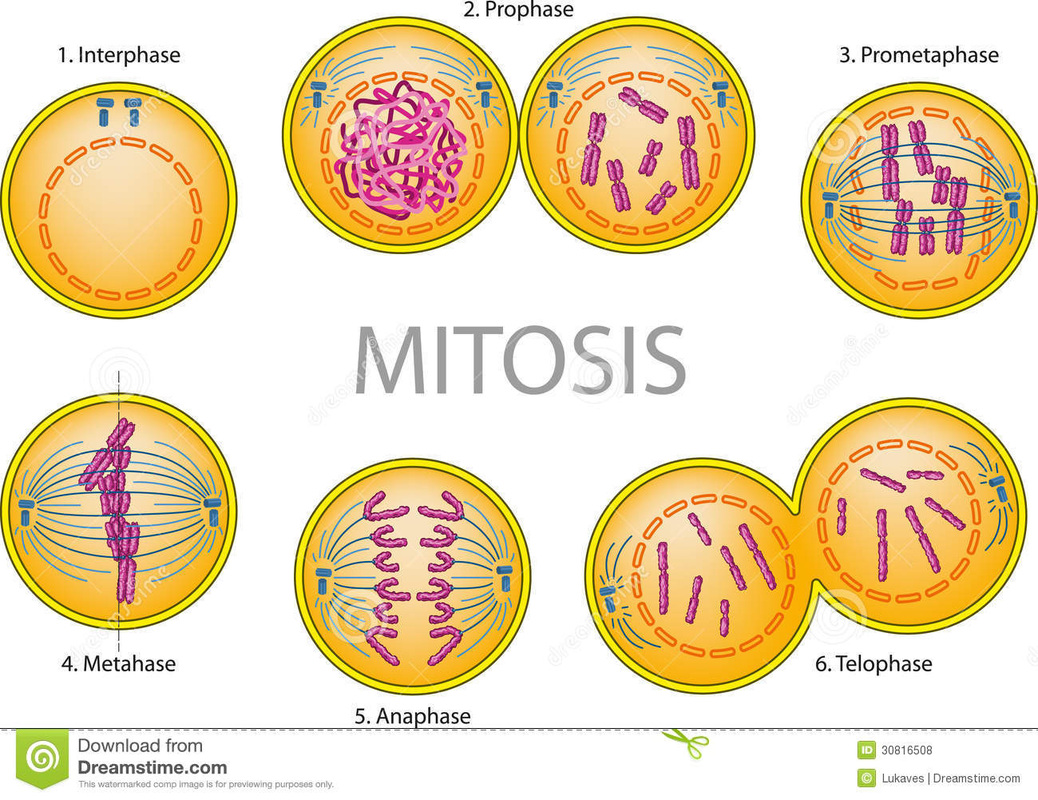
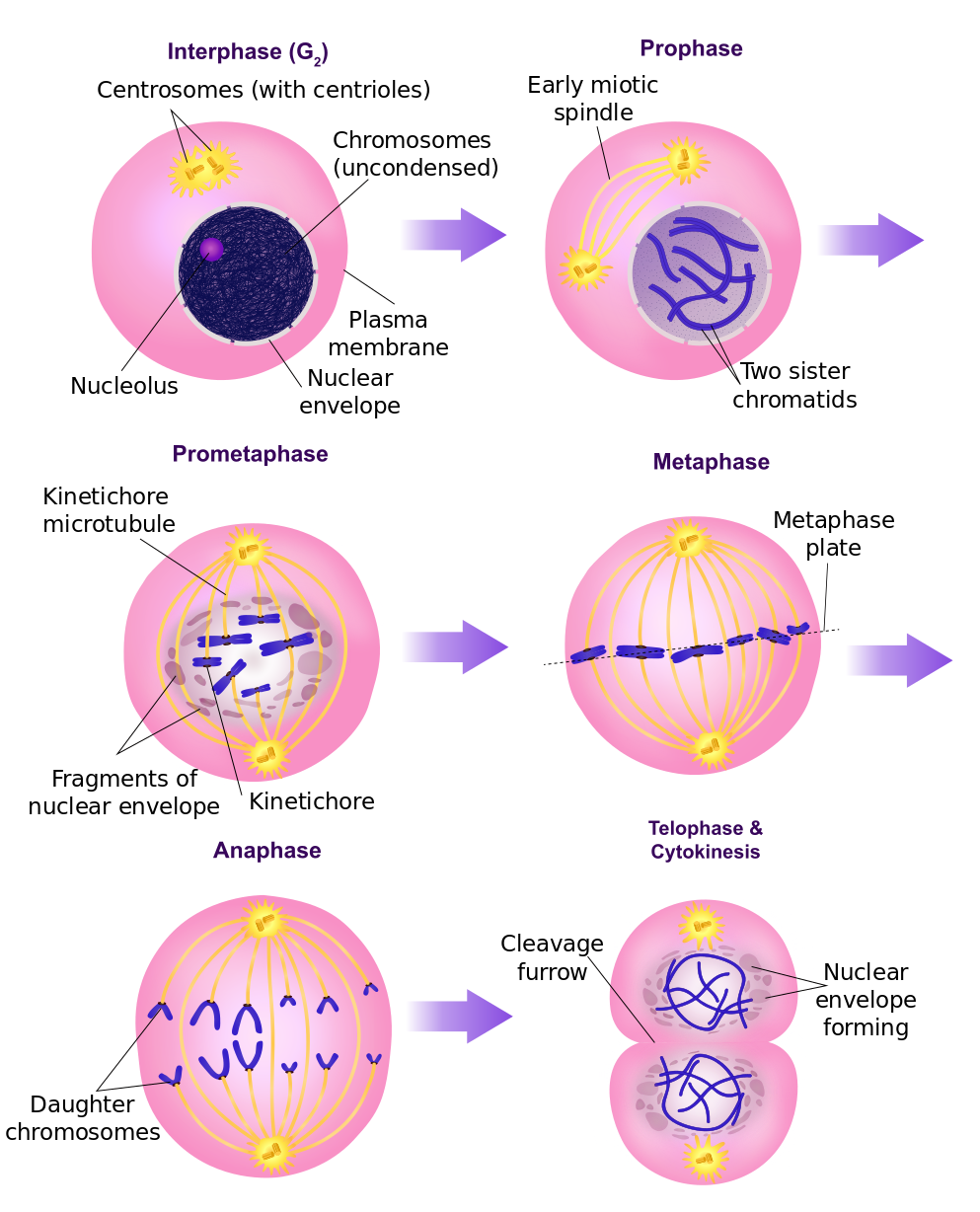
Cell Alive’s worksheet tackles this problem head‑on by pairing a step‑by‑step visual guide with prompts that encourage active observation and recall. The accompanying image— —serves as the cornerstone of this resource, turning abstract concepts into a storyboard that students can reference in real time.
Details: How the Worksheet Unfolds Mitosis
- Prophase: Chromosomes condense and become visible; the nuclear membrane begins to disintegrate. The worksheet asks students to identify these changes on the diagram and to note the formation of the spindle apparatus.
- Metaphase: Chromosomes line up at the cell’s equator. A question prompts learners to describe how the spindle fibers attach to centromeres.
- Anaphase: Sister chromatids separate and move toward opposite poles. The worksheet includes a fill‑in box where students can label each chromatid as it moves.
- Telophase: Nuclear envelopes reform around the new sets of chromosomes, and the cell prepares to divide. The worksheet asks students to predict what will happen next in cytokinesis.
Beyond labeling, the worksheet integrates a quick quiz that forces students to apply what they’ve seen: “Which phase is characterized by the most visible chromatin decondensation?” or “Describe the role of the kinetochore.” These prompts help cement the sequence in memory and make the learning process interactive.
Implications: From Classroom to Lab Bench
For teachers, the worksheet offers a ready‑made lesson plan that aligns with state science standards. Its visual emphasis reduces the need for lengthy lectures, freeing time for hands‑on microscope work. Students who use the worksheet report a 30‑percent increase in quiz scores on mitosis-related questions, according to informal pre‑ and post‑testing at three local high schools.
In the broader context of life sciences, a solid understanding of mitosis is crucial for fields ranging from oncology to regenerative medicine. By mastering the phases early, students build a foundation that will support more complex topics like cytokinesis, cell cycle regulation, and DNA replication. The worksheet’s clear, stepwise approach also helps parents and tutors explain cell division without getting bogged down in jargon.
Looking ahead, educators could pair the worksheet with live video demonstrations of cell division in plant versus animal cells, highlighting differences that textbooks rarely showcase. Digital versions of the resource also allow for adaptive quizzes that tailor difficulty to individual student performance, ensuring no learner is left behind.
In a science landscape where engagement often hinges on visual clarity, the Cell Alive mitosis worksheet stands out as a practical tool. It not only demystifies a core biological process but also equips students with a methodical way to tackle any future cell‑biology challenge.
Biologia: Mitosis Y Meiosis: Mitosis Y Meiosis
Biologia: Mitosis y Meiosis: Mitosis y Meiosis
Biology | It's A Natural Universe | Page 2
Biology | It's a natural universe | Page 2
Chromosomes And The Cell Cycle ‹ OpenCurriculum

Chromosomes and the Cell Cycle ‹ OpenCurriculum
La Mitosis
La Mitosis
Overview Of Cell Biology/Mitosis - Wikiversity

Overview of Cell Biology/Mitosis - Wikiversity